
Can you get an experienced knitter to branch out and learn new techniques? It depends.
Everyone approaches their crafting differently, and there are so many different ways to look at what you want to get out of your knitting or crocheting time—all of them equally valid. Some of us love cranking out a new sweater or pair of socks as fast as we can and some of us enjoy taking a few quiet moments to finish a row or two of simple stitching on a straightforward scarf or blanket.
Do you love trying new ways of doing things or is finding a go-to technique for most things your jam? Are there things that you love the look of and you’re willing to work your way through a new-to-you skill or is that the last thing you want at the end of a long day? Many of us find ourselves in different modes throughout our crafting lives, with our time, attention, and other resources varying through different seasons.
I love learning new things but don’t always enjoy being a beginner—especially in areas that I’m used to having a certain level of mastery, like knitting. I learned to knit as a child and over the past 30+ years I’ve cycled through times of knitting a lot and times where other crafty pursuits held my attention. In 2010 I found my first Local Yarn Shop (LYS) and ever since, knitting and a parade of other fiber arts have been an active part of my life.
Once I immersed myself in the community I found at my LYS and online with Ravelry, I became a more confident knitter and added quite a few skills to my repertoire. I mastered cables, lace, entrelac, stranded knitting, and more with a combination of classes, videos, and books. I found myself at a place where I could make most of the things I wanted without too much struggle. Sure, there were mistakes along the way, and sometimes simple things like counting proved to be more difficult than they should have been, but I had found a comfortable spot in my knitting journey.
Fast-forward a few years and dozens of projects later, and I found myself putting off casting on a cowl for our Cowl MAL this fall. Why? Because I knew it would be faster to make the entrelac design I had in mind if I could knit backwards, but I had never taken the time to learn. I first encountered entrelac at my LYS over a decade ago, making a scarf that became a gift for my knitworthy mother-in-law. It wasn’t the quickest project, but it turned out nicely and I was proud of mastering a technique that hadn’t clicked years before when I tried to follow a magazine pattern.
I’d knit entrelac before and knew it wouldn’t be an issue in terms of difficulty, so what was the holdup? Speed. I grew up knitting English style and switched to Continental after a repetitive stress injury and have thoroughly enjoyed the increased knitting speed that came with the switch. Entrelac is beautiful, but speedy to work it is not. Turning your work every few stitches can feel slow, and I wanted to be able to make my cowl in the fairly limited amount of time I have to knit these days.
Enter knitting backwards. This didn’t change the fact that each row was only a few stitches, but it did eliminate the frequent turning, and I felt like it went at least a little bit faster. I chose to make a cowl out of one ball of Wizard, knowing that the self-striping colors would be a great match for entrelac. If I were doing this project again (which I might), I think it would be fun to use a second colorway of Wizard to alternate in for more color variation, and I would definitely use my new skill again and knit backwards for the ‘WS’ rows.
Literally only a few minutes of checking videos had me ready to try knitting backwards. I felt uncoordinated and clumsy as I got used to wrapping the yarn for the WS rows, not finding my groove for holding both needles still and completing the wrap for a good portion of the project. As expected, it got much smoother and easier as the project grew, and it wasn’t very long before I felt like I was cruising along at a comfortable speed. It’s still not as quick or as mindless as regular stockinette is for me, but I am very glad I finally took the plunge and got over my resistance to being a beginner again! There are always more things to learn and taking a few minutes to try out a new skill gives you the chance to broaden your crafty horizons.

Here is a quick tutorial on knitting backwards. We were musing about different projects that knitting backwards might be a good fit for beyond entrelac and we came up with a few: bobbles, shoulder short rows, stranded knitting worked flat, or any part of a project that could have you flipping your work back and forth frequently.
The mechanics of knitting backwards are the same regardless of whether you’re an English or Continental knitter:
1. With the RS of your work facing you and the working yarn in back, insert your left needle into the back of the first stitch on your right hand needle from left to right.
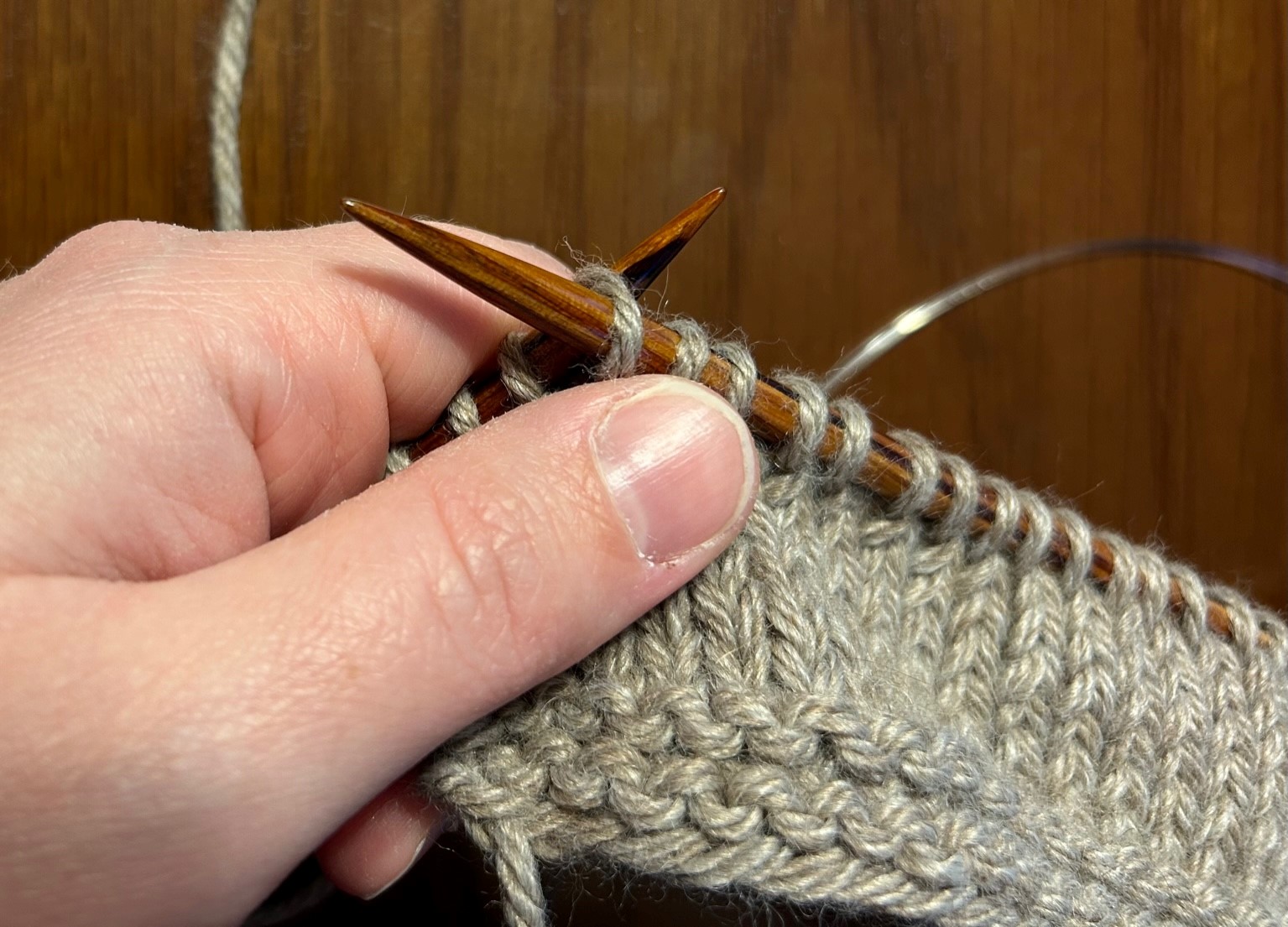
The first step is the same for English-style knitters as well:
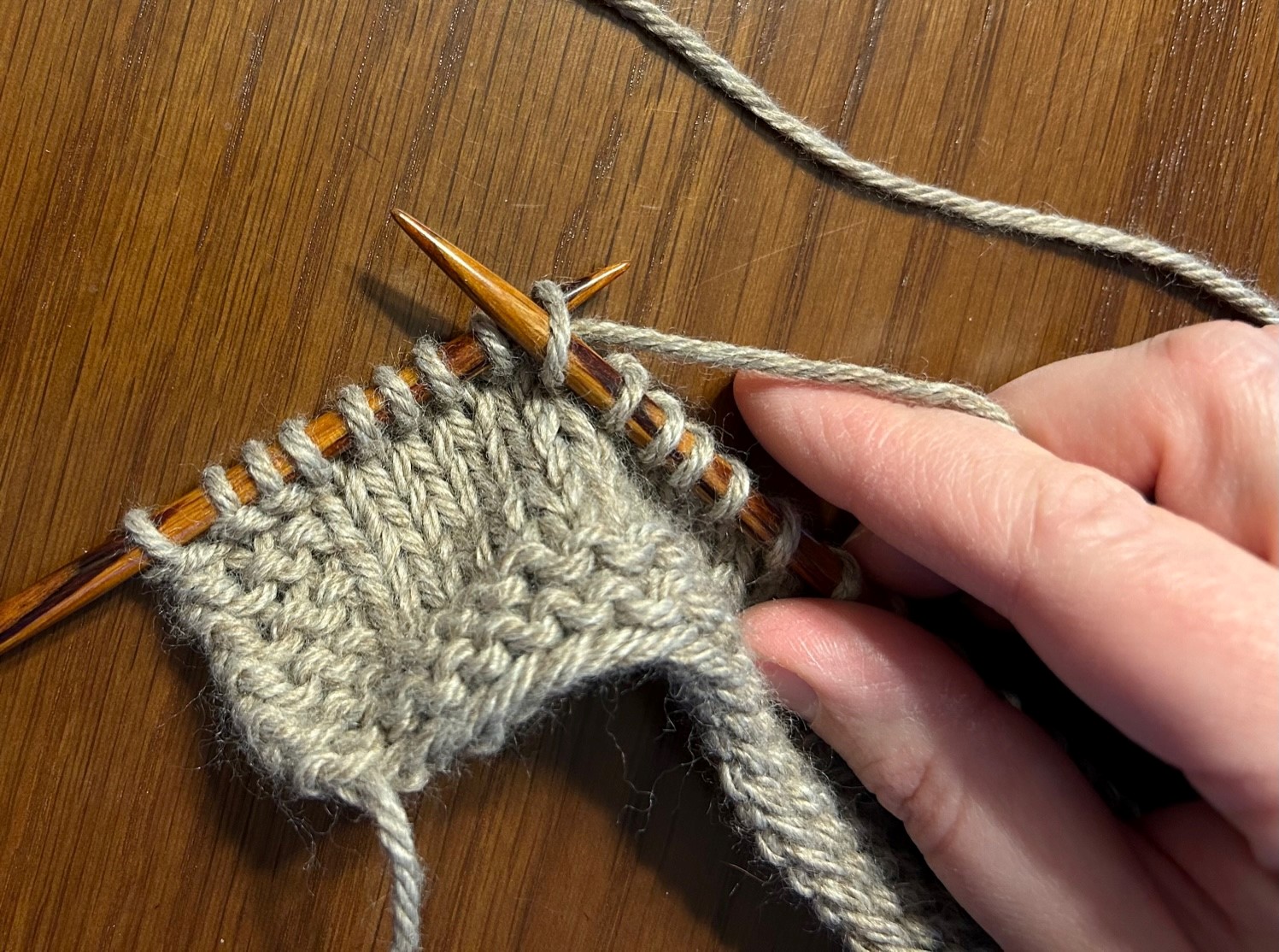
2. Wrap your yarn over the top of the needle from back to front.
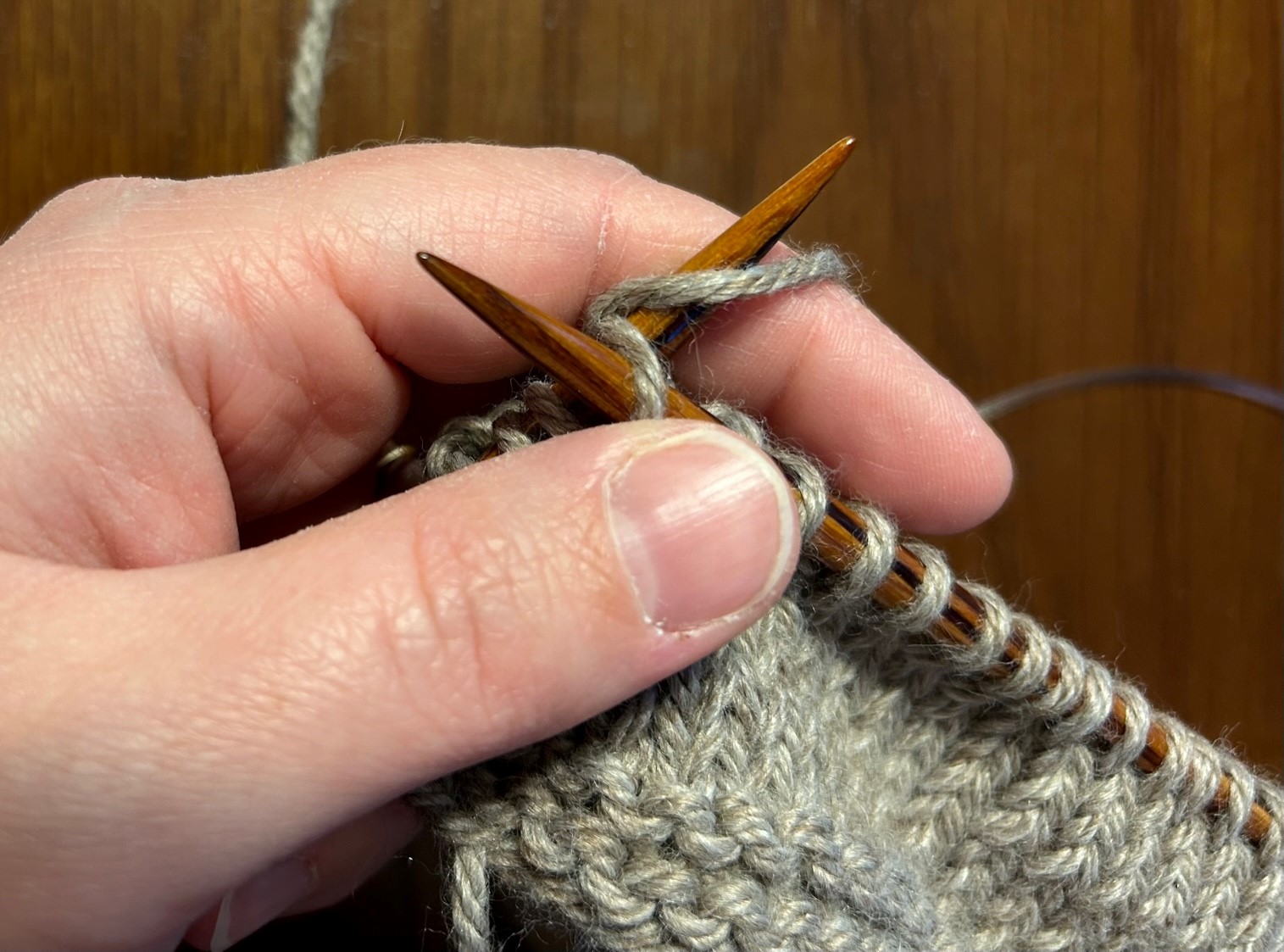
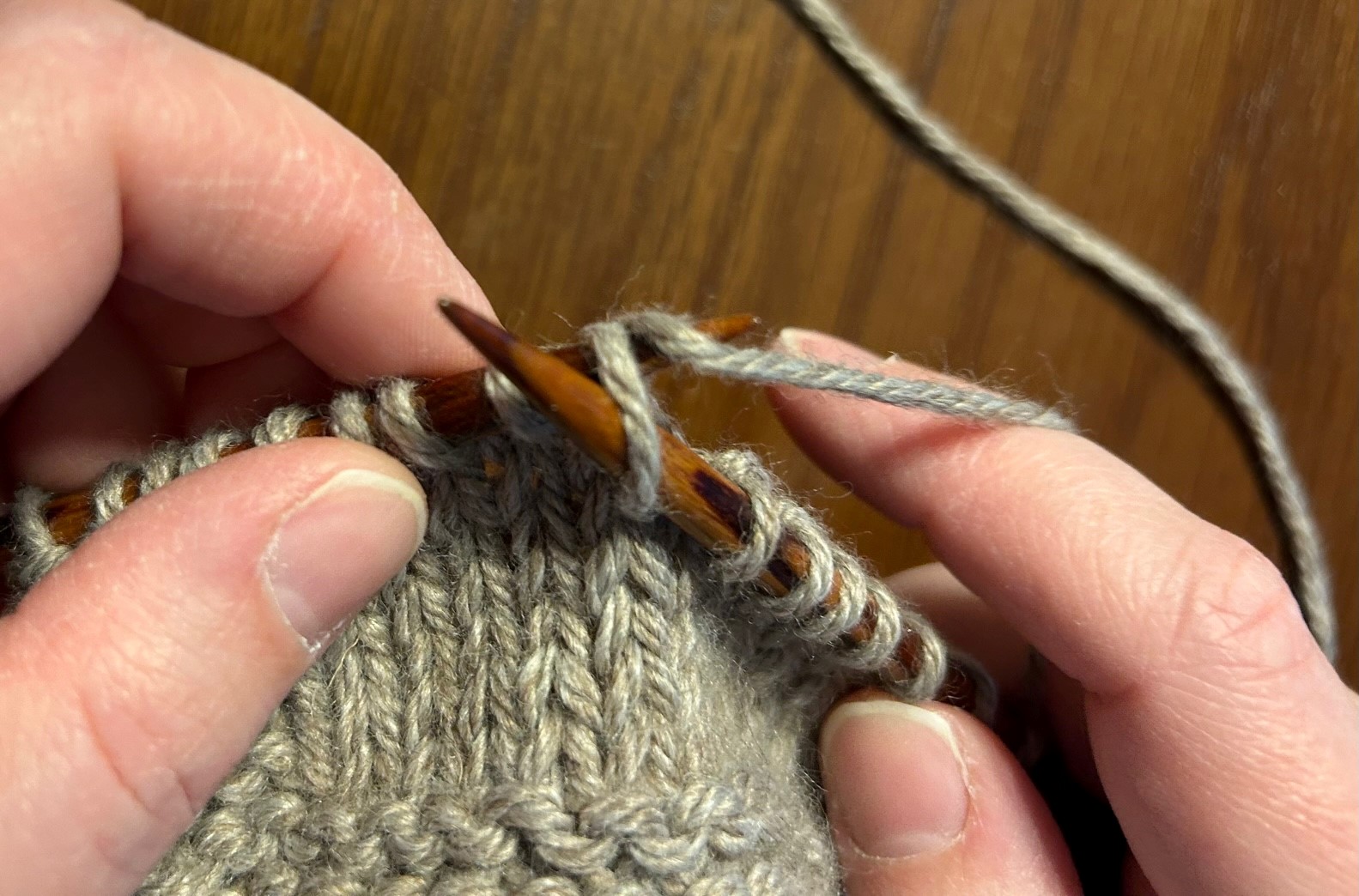
3. Pull your loop through the stitch

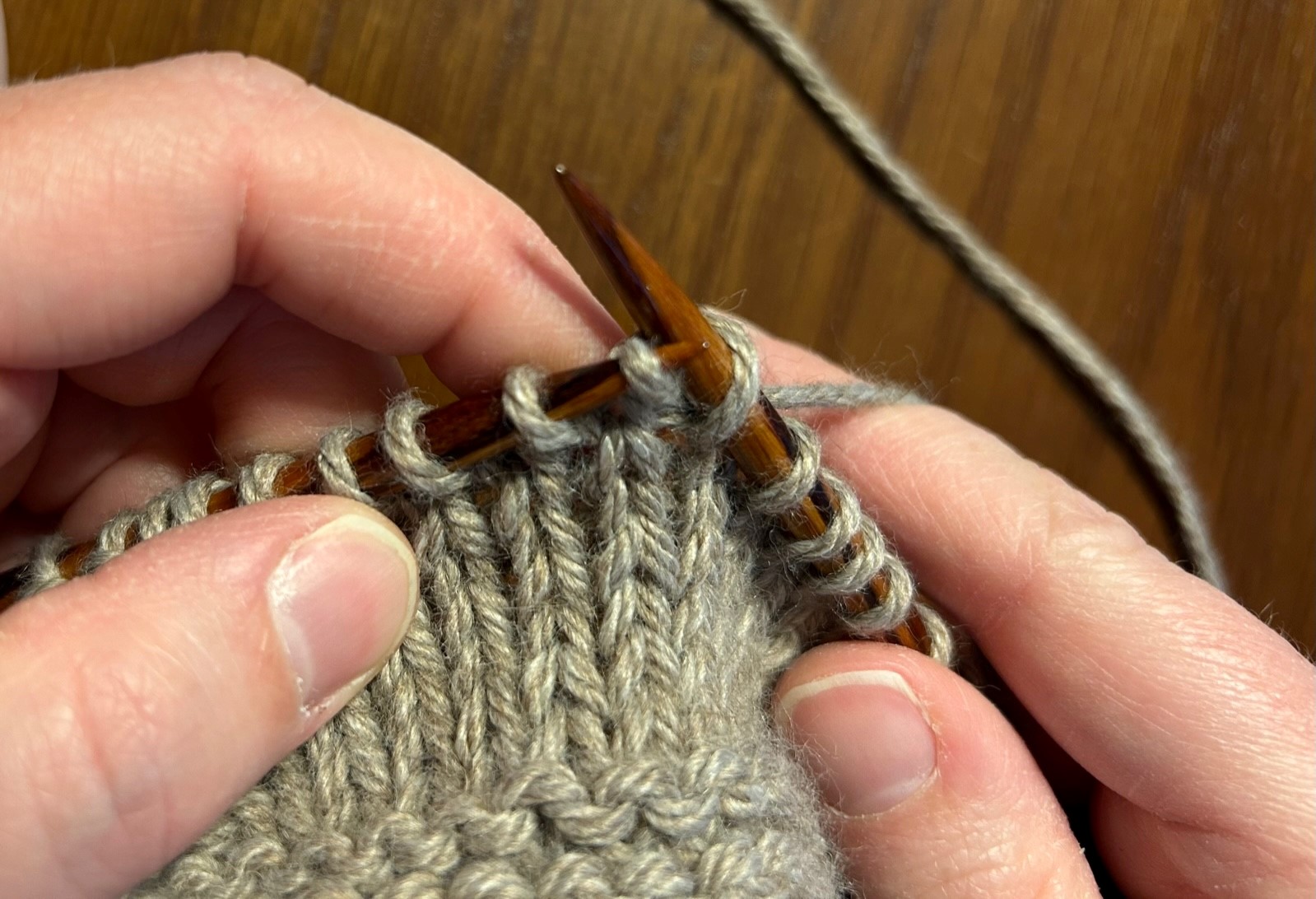
Purling backwards is another thing you can try:
1. With your working yarn in front, insert your left needle into the back leg of the first stitch on the right hand needle from back to front.
2. Bring yarn under the left needle and wrap it over the top.
3. Pull your loop through.
Here is a brief video showing you the basics of knitting backwards, or reverse knitting, in both English and Continental styles, with a couple of stitches worked in backwards purling at the end:
What techniques have you put off trying? Are there any that you took the plunge and tried and you’re glad you did? Were there any that you didn’t feel were worth the effort? We’d love to hear from knitters and crocheters of all experience levels about their journeys to mastering new tricks!
 Design Team Blog